For years, crypto products competed on one promise:
Faster.
Simpler.
One click.
One-click swaps.
One-click staking.
One-click leverage.
One-click automation.
And for a while, it worked.
Friction decreased. Adoption increased. Interfaces became cleaner. Crypto felt more accessible. But as usage expanded — especially into everyday payments, business operations, and embedded tools — something became clear:
Over-simplification can be as dangerous as over-complexity.
The era of “one-click everything” is reaching its limits. Not because simplicity is wrong — but because simplicity without structure creates risk.
1. Why “One Click” Became the Gold Standard
In early crypto, friction was overwhelming:
- manual gas settings
- complex wallet flows
- confusing confirmations
- multiple popups
- raw transaction data
Reducing steps felt like progress. Every removed click felt like innovation.
Minimal interfaces symbolized:
- speed
- modernity
- accessibility
But removing friction does not remove complexity. It only hides it.
2. The Hidden Cost of Extreme Simplicity
Every transaction in crypto carries real consequences:
- irreversible transfers
- permanent smart contract execution
- financial exposure
- compliance implications
When a complex action is reduced to a single click, several risks increase:
- users skip review
- amounts go unchecked
- wrong addresses go unnoticed
- risk signals are ignored
- automation errors multiply
The easier something feels, the less attention users give it.
And in crypto, inattention can be expensive.
3. Why Finance Cannot Be Purely Frictionless
In social media, friction slows growth.
In finance, friction protects value.
Banks include:
- confirmation screens
- delay periods
- transaction summaries
- unusual activity alerts
These are not inefficiencies. They are safeguards.
Crypto’s early design philosophy often rejected these “legacy” mechanisms. But as the industry matures, it’s rediscovering something important:
Intentional friction is part of safety.
4. The Psychology of Decision Speed
Behavioral research shows that when decisions are too easy, users:
- rely on habit instead of evaluation
- click without reviewing
- underestimate risk
- overestimate understanding
A single, large, primary button encourages action.
But action without pause removes reflection.
The best modern systems don’t remove decisions — they structure them.
5. The Problem With Default Everything
One-click culture also relies heavily on defaults:
- default slippage
- default network
- default leverage
- default routing
- default transaction limits
Defaults are powerful. Most users never change them. When defaults are optimized for speed instead of safety, mistakes scale quickly.
The question becomes:
Are defaults protecting users — or pushing them?
6. The New Balance: Smart Friction
The future is not about adding complexity back.
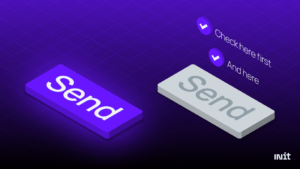
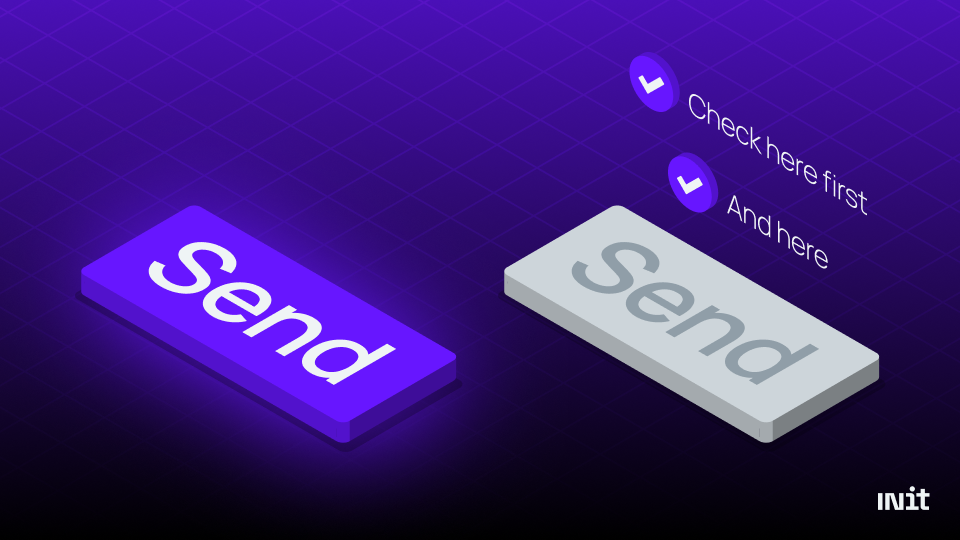
It’s about adding intelligent checkpoints.
Smart friction includes:
- clear transaction previews
- visual summaries before confirmation
- anomaly alerts for unusual behavior
- dynamic limits for new users
- optional advanced toggles
This preserves speed while protecting intent.
The goal is not to slow down experienced users.
It is to protect everyone from unintended consequences.
7. One Click vs. One Flow
There is a difference between:
- one-click action
and - well-designed flow
A well-designed flow:
- guides users step by step
- explains consequences
- surfaces important information
- reduces unnecessary options
- preserves user control
A single click may look clean.
A structured flow feels trustworthy.
8. Automation Makes This Even More Critical
Automation magnifies both efficiency and error.
When users automate:
- recurring payments
- trading strategies
- routing logic
a single wrong configuration can repeat endlessly.
In such environments, one-click approval without structured review is not innovation — it’s vulnerability.
9. How Mature Products Approach This Balance
Forward-thinking crypto platforms are moving toward:
- layered interfaces (simple mode + advanced mode)
- clearer previews
- transparent fee breakdowns
- contextual explanations
- interruptible automation
They understand that trust grows not from speed alone — but from predictability.
10. Where INit Aligns With This Shift
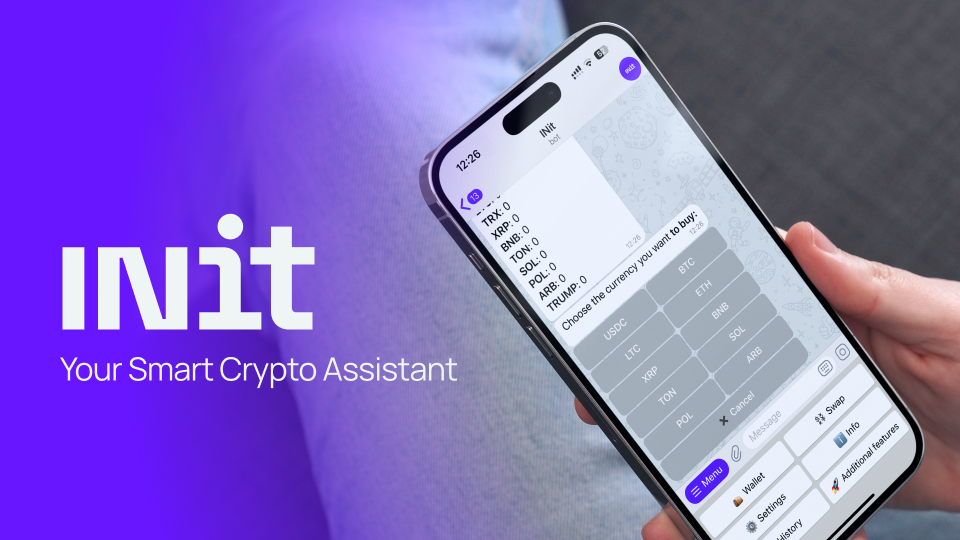
This philosophy aligns closely with how INit approaches product design.
Rather than focusing purely on “instant” actions, INit emphasizes:
- transparent transaction visibility
- structured compliance checks
- clear fee display
- controlled execution flows
- human support when needed
The aim is to keep interactions fast — but never careless. That balance matters especially in messaging-based crypto tools, where actions feel conversational and immediate. Speed must be supported by structure.
11. The Strategic Implication
As crypto becomes operational — used for:
- payroll
- merchant payments
- cross-border settlements
- recurring workflows
products cannot rely on extreme simplification alone.
They must design for:
- human behavior
- real financial consequences
- error prevention
- compliance integration
- scalable trust
The winning products won’t be the ones with the fewest clicks
They’ll be the ones with the clearest intent.
Final Thought
“One-click everything” made crypto accessible.
But the next phase requires something deeper:
Not fewer clicks —
but smarter ones.
In finance, ease without structure creates fragility.
Simplicity with safeguards creates confidence.
The future of crypto UX is not about removing decisions.
It’s about designing better ones.