For years, crypto products competed on speed, features, and yield. Faster swaps.More tokens.Higher APY.Lower fees. But as crypto moves into everyday use — payments, business operations, recurring flows — a different metric is taking center stage: reliability. Not as a technical detail, but as a defining product quality. In 2026, users are no longer asking, […]
Keep ReadingDon’t Miss These
For years, crypto products competed on speed, features, and yield. Faster swaps.More tokens.Higher APY.Lower fees. But as crypto moves into everyday use — payments, business operations, recurring flows — a different metric is taking center stage: reliability. Not as a technical detail, but as a defining product quality. In 2026, users are no longer asking, […]
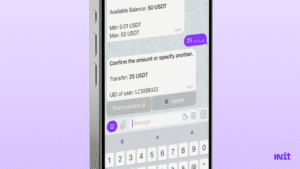
For years, Telegram bots were seen as lightweight tools. They were fast, simple, and convenient — but rarely considered serious financial infrastructure. They helped users swap tokens, check prices, or automate small actions. Useful, but not foundational. That perception is changing. As crypto matures and usage shifts from speculation to real operations, Telegram bots are […]
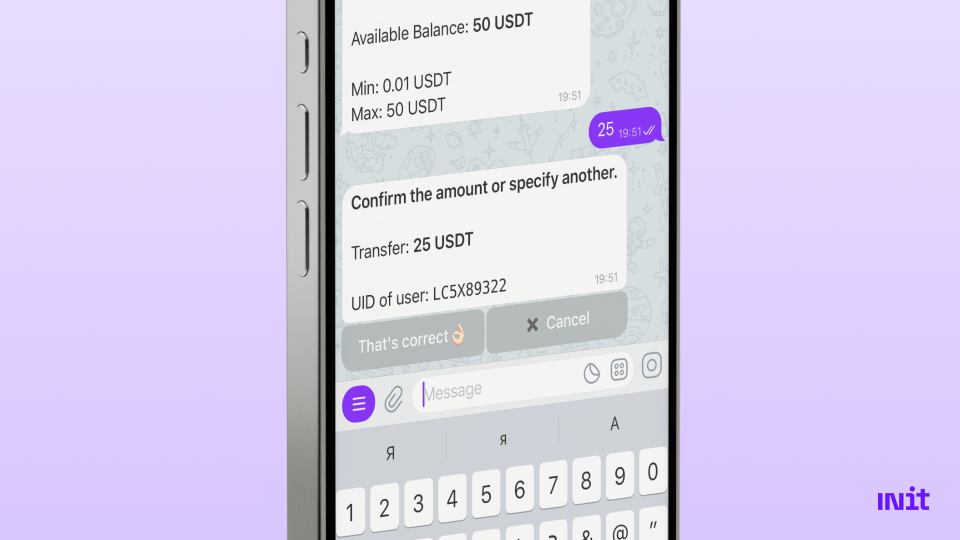
In crypto, a single action can carry permanent consequences. You send funds to the wrong address — they are gone.You approve a transaction with the wrong amount — it executes instantly.You misread a fee — you pay it anyway. There are no undo buttons. And yet, many products still treat confirmation as a formality — […]
Crypto products were originally built for a narrow audience — people comfortable with volatility, technical complexity, and financial experimentation. Early adopters were developers, traders, and enthusiasts who understood the risks and were willing to navigate complicated interfaces in exchange for control. But the industry has changed. Today, crypto is used by a far broader range […]
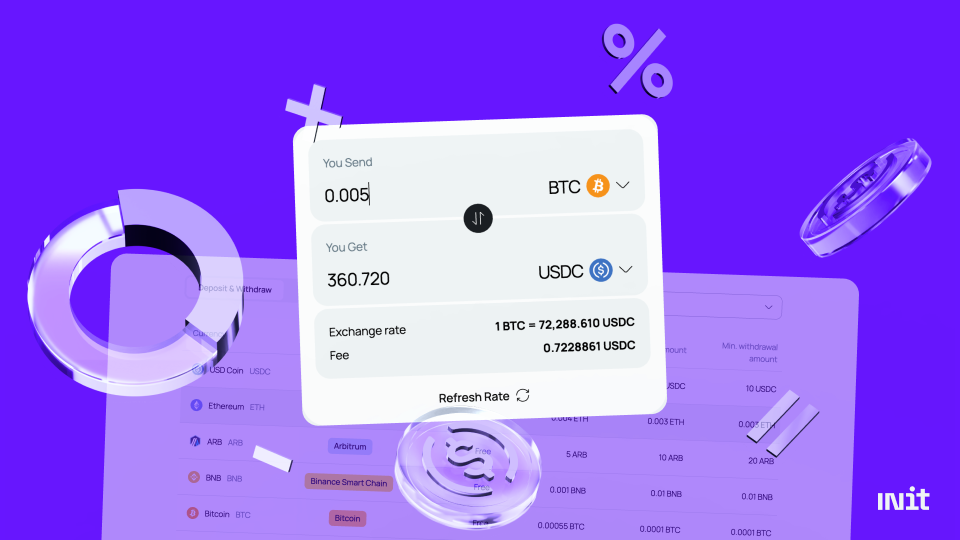
For years, crypto products competed on speed, liquidity, and the number of features they offered. But as the industry matures and user expectations evolve, another factor is quietly becoming a decisive advantage: fee transparency. In a market where many platforms advertise “low fees” or even “zero fees,” the true cost of a transaction is often […]
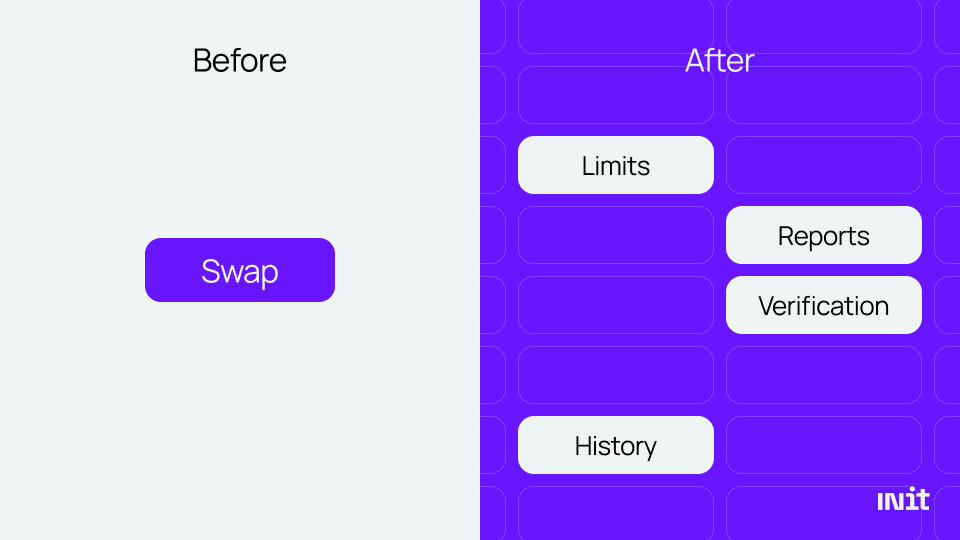
For years, crypto products competed on one promise: Faster.Simpler.One click. One-click swaps.One-click staking.One-click leverage.One-click automation. And for a while, it worked. Friction decreased. Adoption increased. Interfaces became cleaner. Crypto felt more accessible. But as usage expanded — especially into everyday payments, business operations, and embedded tools — something became clear: Over-simplification can be as dangerous […]
For over a decade, crypto products were built for a specific type of user. Someone who understood private keys.Someone comfortable with gas fees.Someone willing to read whitepapers.Someone who didn’t mind friction. Crypto was “for pros.”But that era is ending. As adoption grows and use cases expand beyond speculation, crypto products are shifting from power-user tools […]
For most users, Web3 feels simple on the surface. You open a wallet.You click swap.You send a payment.It works. But what makes it work is rarely visible. Behind every successful transaction lives a complex web of services — risk engines, liquidity routers, monitoring systems, indexing nodes, compliance layers, failover logic, APIs, and more. These systems […]
For years, compliance lived far away from product design. It was something legal teams handled, something hidden in PDFs, something users encountered only when something went wrong. UX teams focused on speed and simplicity. Compliance focused on rules and risk. The two barely spoke. That separation no longer works. As crypto products move into everyday […]