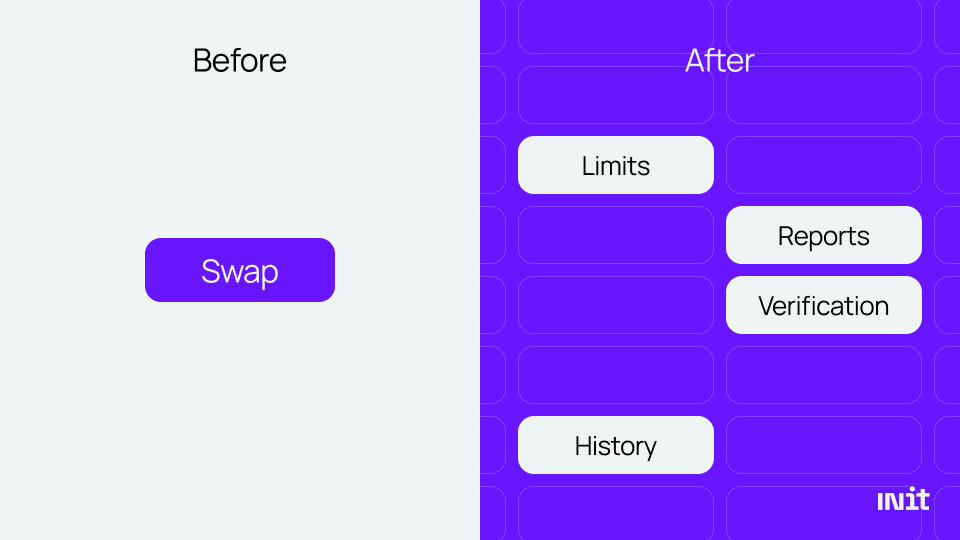
For years, Telegram bots were seen as lightweight tools.
They were fast, simple, and convenient — but rarely considered serious financial infrastructure. They helped users swap tokens, check prices, or automate small actions. Useful, but not foundational.
That perception is changing.
As crypto matures and usage shifts from speculation to real operations, Telegram bots are evolving. They are no longer just interfaces for quick actions. They are becoming structured systems that handle payments, compliance, reporting, and business workflows.
In other words, bots are starting to behave like financial institutions.
1. From Utility Tools to Financial Systems
Early crypto bots focused on single functions:
- swap execution
- price tracking
- wallet interactions
- basic automation
They were designed for speed, not for structure. But as user expectations grew, these tools began to expand. What started as simple utilities turned into multi-functional systems:
- handling transactions
- managing balances
- storing history
- integrating with external services
- supporting recurring actions
This expansion marked a shift.
Bots stopped being tools you “use occasionally.”
They became systems you operate through.
2. What Defines a Financial Institution
Traditional financial institutions are not defined by their interface — they are defined by their capabilities.
They provide:
- secure custody or access to funds
- transaction processing
- compliance and verification
- reporting and auditability
- predictable execution
- support and accountability
As Telegram bots begin to incorporate these elements, they move closer to institutional behavior. The difference is that they do so within a radically different interface — a messaging environment.
3. Why Telegram Is the Ideal Environment
Telegram creates a unique context for financial tools.
It combines:
- communication
- identity
- interaction
- and distribution
in a single environment.
Users already:
- trust the interface
- understand how to navigate it
- communicate within it daily
This removes a major barrier to adoption. Instead of asking users to learn a new platform, bots bring financial functionality into an environment users already inhabit.
That is a powerful shift.
4. The Emergence of Structured Flows
As bots take on more responsibility, their design must evolve.
Financial systems cannot rely on:
- ad-hoc interactions
- unclear flows
- unpredictable behavior
Instead, they require:
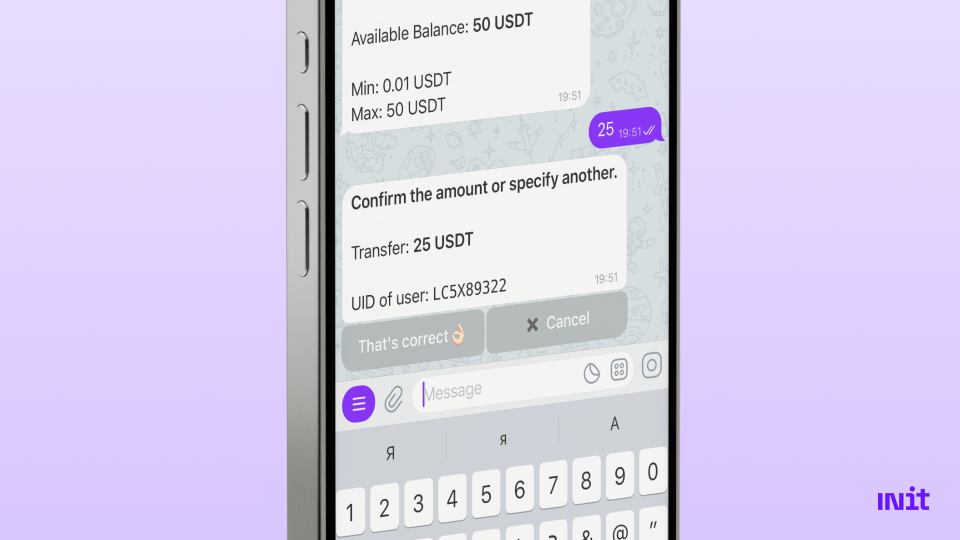
- structured transaction flows
- clear confirmation layers
- visible pricing
- defined limits
- consistent outcomes
This is where many bots are transitioning from “quick tools” to “operational systems.”
Speed alone is no longer enough.
Structure becomes essential.
5. Compliance Moves Into the Core
One of the clearest signs of institutionalization is the integration of compliance.
Modern Telegram-based tools increasingly include:
- KYC processes
- AML screening
- transaction monitoring
- reporting systems
- audit trails
These are not optional features. They are requirements for operating in regulated environments. As these systems are embedded into bots, compliance becomes part of the user experience rather than an external process.
This aligns Telegram tools with the expectations placed on financial institutions.
6. From Transactions to Workflows
Institutional systems are not built for one-off actions.
They are built for workflows.
Telegram bots are increasingly supporting:
- recurring payments
- business settlements
- treasury management
- automated routing
- operational reporting
This shift changes how users interact with crypto. Instead of executing isolated transactions, users begin to rely on bots as part of their daily operations.
That is when a tool becomes infrastructure.
7. Trust Becomes the Core Metric
As bots take on more responsibility, the primary success metric changes.
It is no longer:
- number of features
- speed of execution
- or interface simplicity
It becomes:
- reliability
- predictability
- transparency
- support
In short, trust. Users need to feel that the system will behave consistently — especially under pressure.
This is where institutional characteristics become critical.
8. Infrastructure Behind the Interface
The simplicity of a Telegram bot can be misleading. Behind the interface, institutional-grade systems are required:
- liquidity routing engines
- compliance providers
- risk monitoring systems
- API integrations
- redundancy and failover mechanisms
The more invisible this infrastructure becomes, the more important it is.
Users may not see it.
But they rely on it.
9. Where INit Fits Into This Evolution
This transformation is central to how INit is positioned.
INit is not designed as a single-purpose tool. It is structured as a system that supports both individual users and business workflows.
Key elements include:
- transparent fee structures
- built-in compliance processes
- structured transaction flows
- accessible human support
- API-ready architecture for business use
Operating within Telegram, INit combines the accessibility of a messaging interface with the structure of a financial system. The goal is not to replicate traditional banks — but to bring similar reliability and clarity into a more flexible, crypto-native environment.
10. The Institutionalization Curve
Telegram bots are following a similar evolution path seen in other technologies:
- Phase 1 — Simple Tools
Single-purpose, fast, experimental. - Phase 2 — Feature Expansion
More capabilities, increased complexity. - Phase 3 — Infrastructure Integration
Backend systems mature, reliability improves. - Phase 4 — Institutional Behavior
Predictable, compliant, operationally ready.
11. What This Means for the Future
As bots become more institutional, several changes will follow:
- clearer regulatory positioning
- deeper integration with traditional finance
- increased adoption by businesses
- higher expectations for reliability
- reduced tolerance for failure
The distinction between “bot” and “financial platform” will continue to blur. In many cases, the interface will remain simple — but the system behind it will be increasingly complex and robust.
Final Thought
Telegram bots are no longer just tools. They are becoming interfaces to financial systems. The most successful ones will not be those that add the most features — but those that build the strongest foundations beneath simple interactions. Because in the end, users do not need more buttons. They need systems they can rely on.
And that is exactly what defines a financial institution.