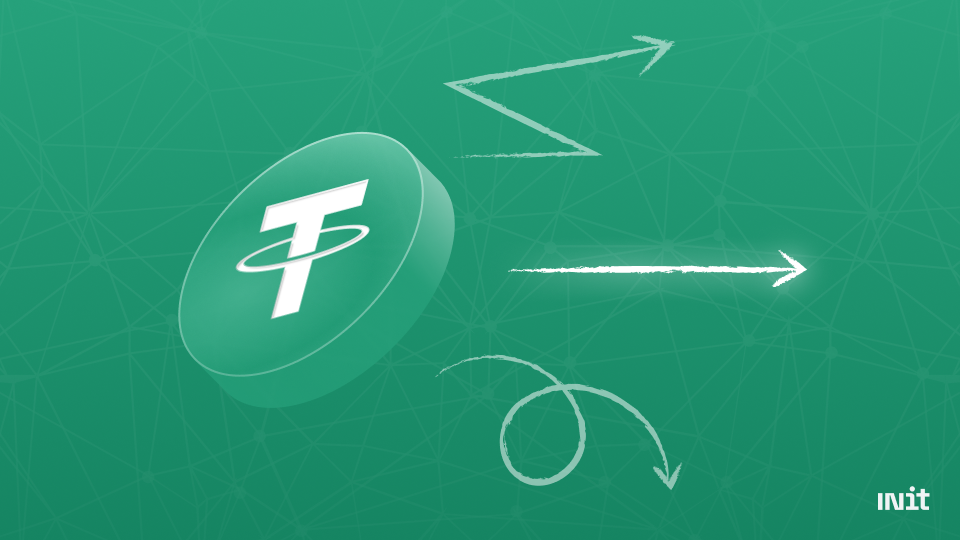
For many users, USDT looks like one asset. A customer says they will send USDT.A business says it accepts USDT.A contractor asks to be paid in USDT. The wording sounds simple. But in practice, one important detail is still missing: Which network? USDT can exist on different blockchains. It may be sent through Ethereum, TRON, […]
Keep ReadingCategory: Web3

For years, crypto products competed on speed, liquidity, and the number of features they offered. But as the industry matures and user expectations evolve, another factor is quietly becoming a decisive advantage: fee transparency. In a market where many platforms advertise “low fees” or even “zero fees,” the true cost of a transaction is often […]
For over a decade, crypto products were built for a specific type of user. Someone who understood private keys.Someone comfortable with gas fees.Someone willing to read whitepapers.Someone who didn’t mind friction. Crypto was “for pros.”But that era is ending. As adoption grows and use cases expand beyond speculation, crypto products are shifting from power-user tools […]
For most users, Web3 feels simple on the surface. You open a wallet.You click swap.You send a payment.It works. But what makes it work is rarely visible. Behind every successful transaction lives a complex web of services — risk engines, liquidity routers, monitoring systems, indexing nodes, compliance layers, failover logic, APIs, and more. These systems […]
Crypto has always chased speed. From Bitcoin’s 10-minute blocks to sub-second finality, the industry has treated faster transactions as unquestionable progress. “Instant” became a promise, a headline, and eventually an expectation. But by 2025, a harder truth emerged:speed without guardrails doesn’t just reduce friction — it amplifies risk. As crypto moves from occasional transfers to […]
For a long time, crypto products were built around a single assumption: users come to crypto to hold assets or trade them. Wallets acted like vaults, exchanges like destinations, and most interactions were occasional rather than continuous. But as crypto matured, that assumption stopped matching reality. Today, users don’t want to “visit” crypto anymore. They […]
“Zero fees.”“Free swaps.”“No commission.” In crypto, free is one of the most powerful words in marketing. It promises frictionless access, fairness, and freedom from the hidden costs of traditional finance. But by 2026, most experienced users have learned an uncomfortable truth: Nothing in crypto is truly free. If a product doesn’t charge you directly, the […]
For years, the crypto industry searched for its perfect distribution channel.Web apps were powerful but complex. Mobile apps were regulated, slow to update, and expensive to acquire users through. Browser extensions introduced friction and security concerns. Then something unexpected happened. Telegram — originally just a messaging app — began quietly absorbing crypto activity. What started […]
For more than a decade, Telegram was seen simply as a messaging app — a place for conversations, communities, and broadcast channels.But as we enter the second wave of Web3 adoption, Telegram has quietly become something much bigger: a financial layer powered by bots, micro-transactions, and user-driven economic flows. Telegram today is no longer just […]
Written from the perspective of November 2025 Over the last two years, Telegram has transformed into one of the fastest-growing crypto ecosystems — a place where user behaviour shifts faster than infrastructure can keep up.Small swap bots have turned into complete financial tools.TON adoption has exploded.Telegram’s Bot Store evolved from a niche feature into a […]